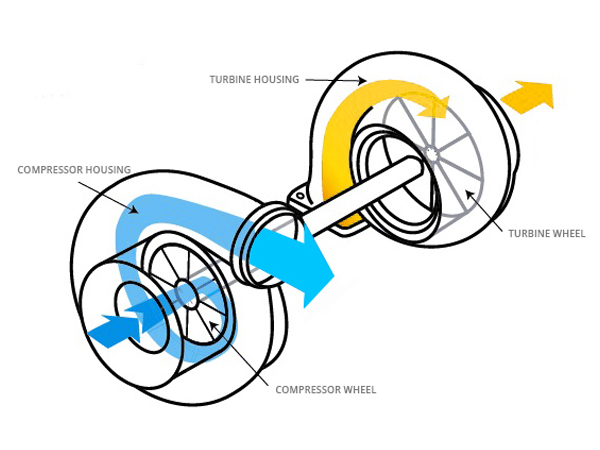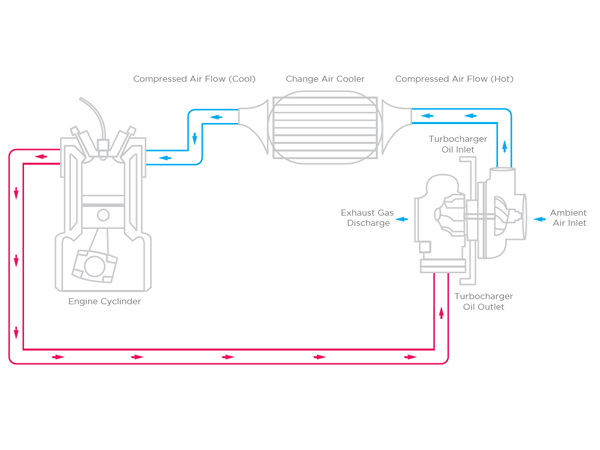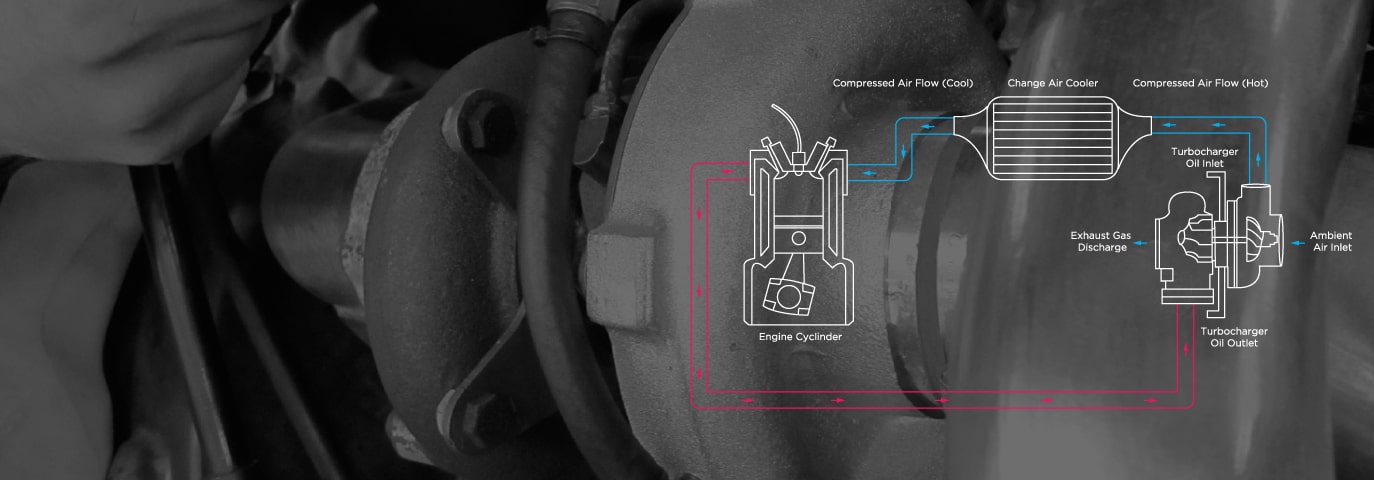
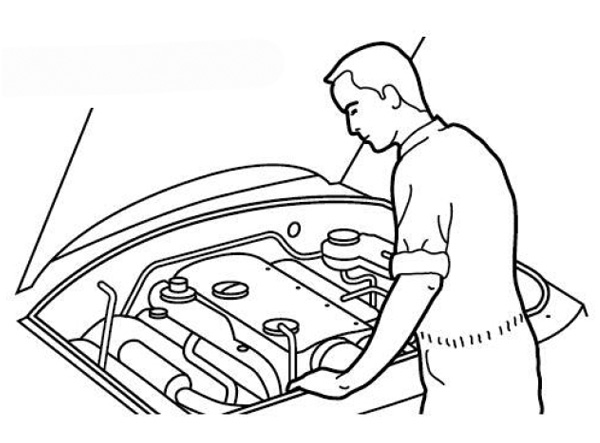
It is crucial to go through a detailed diagnosis of the engine system to determine if the "fault" lies with the turbocharger. There could be possible faults like a faulty fuel injection system, ECU or electrical problems, restricted or blocked air filter, a damaged exhaust system or a lubrication problem. Please check crankcase pressure according to the engine manufacturer's specification.
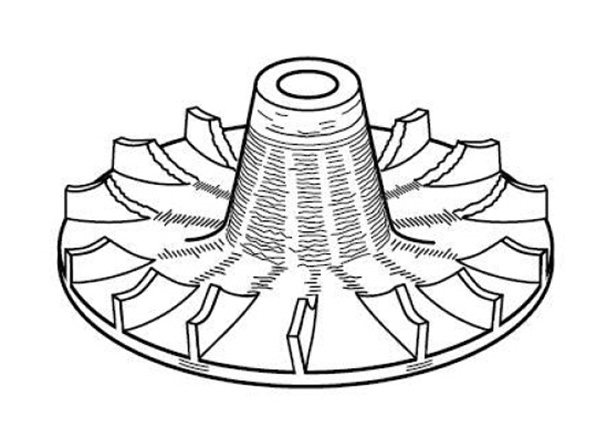
Extra key examination areas include foreign objects, lack of lubrication, oil contamination, over-speeding of the turbo and higher than normal temperature levels. This is important because turbo damage can often be a symptom of an underlying problem rather than the cause itself.
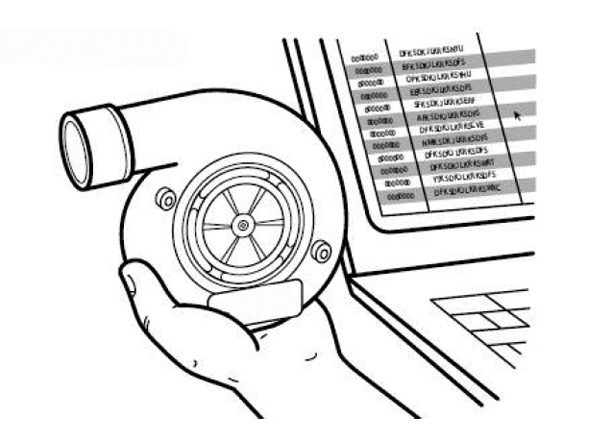
Always examine the part number to ensure that it is the right one for your engine. Installing the wrong turbo unit to your engine leads to possible damage the turbo and/or the engine and will void any warranty.
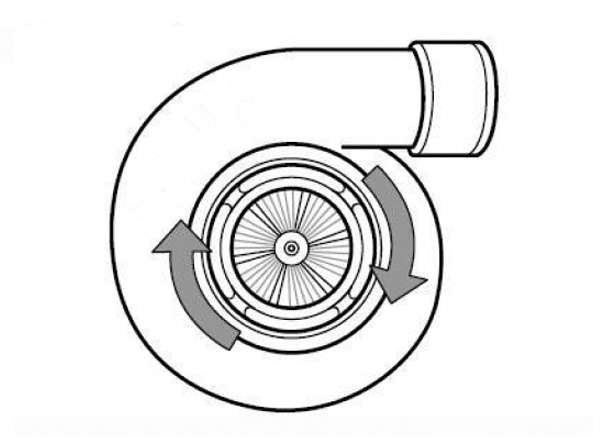
It is crucial that during the entire installation process, dirt or debris must be avoided from entering any part of the turbo. Dirt or debris is the most common cause to catastrophic damage due to the very high operation speed (up to 300,000rpm).

For example – gaskets and holes must be perfectly aligned with the turbo flange. Some turbos use a threaded connector without gasket. Otherwise, they use a "banjo fitting" with "banjo bolt"; in these cases, use new sealing gaskets/washers.
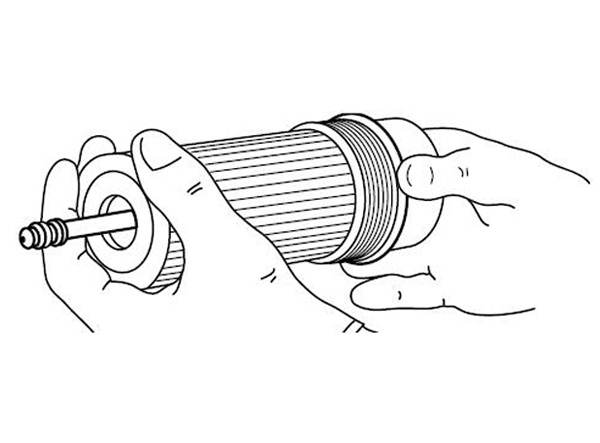
It is recommended that you use new air, oil and fuel filters and clean engine oil to the engine or vehicle maker's specification. During the installation of the new oil filter, fill it with clean fresh engine oil. Also, back-fill the pressure line from the oil pump back to the filter.

Before turbo installation, make sure all air hoses connected to the turbo are clean and show no sign of damage.
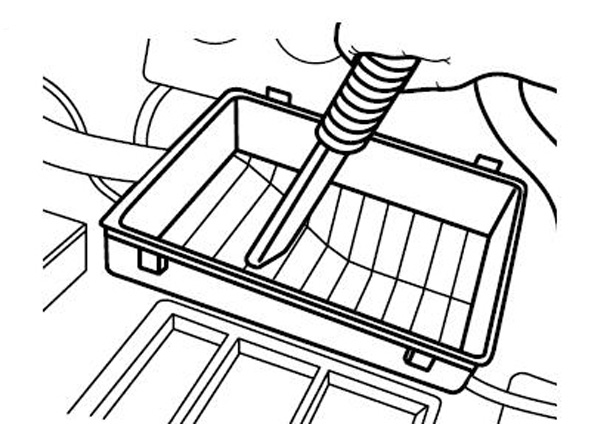
The air filter and its housing must be thoroughly cleaned and free from any debris.
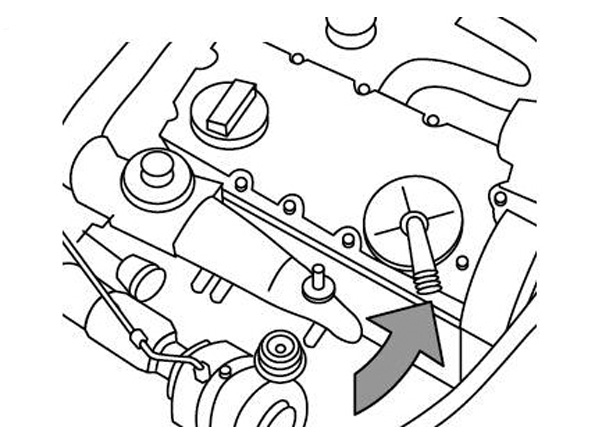
Clean the engine breather system (Positive Crankcase Ventilation system) and make sure all are functioning. Blockage or malfunction causes high crankcase pressure and leads to oil leakage from the turbo into the inlet and exhaust systems.

Remove old gasket material from the exhaust manifold and pipe. The surfaces of the flange should be thoroughly cleaned with no signs of damage. Then remove plastic or foam blanking plugs from the turbo.
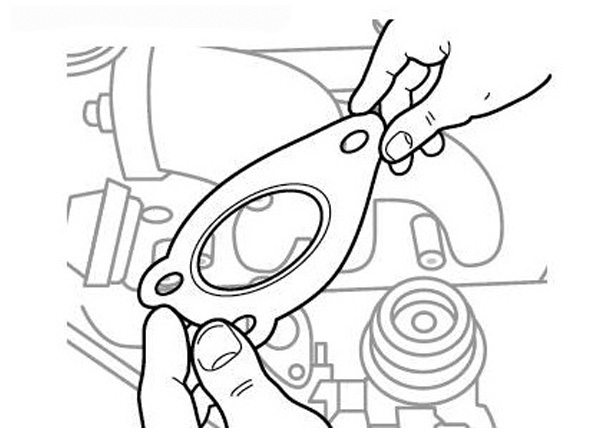
Position the turbo onto manifold or engine block using the correct new gasket or O ring and reconnect the exhaust pipe. Make sure to tighten all nuts, connectors and bolts.
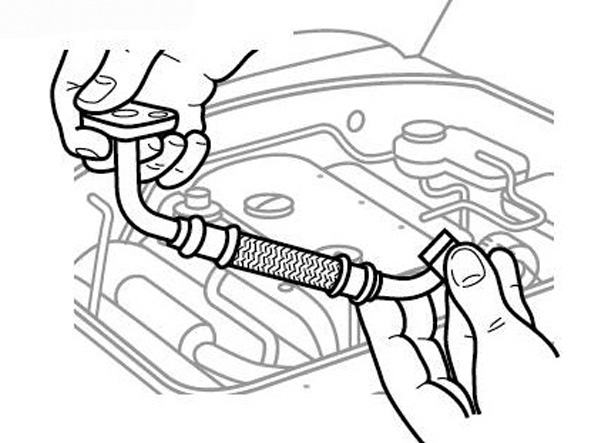
Install oil drain line to the turbocharger.
Note for Steps 12-15: Pay special attention to oil feed and drain lines, which must be thoroughly cleaned with no signs damage. Make sure that flexible hose liners have not collapsed internally. The oil feed line must not be too close to source of heat which may damage the oil feed line internally. This is common on some vehicles and difficult to detect without cutting the pipe.

Pour new engine oil into the oil inlet hole of the turbocharger.

Fit the new oil feed line.

Install inlet and outlet air hoses to turbocharger compressor housing. Make sure that the all connections are airtight and hose clamps are correctly tightened.
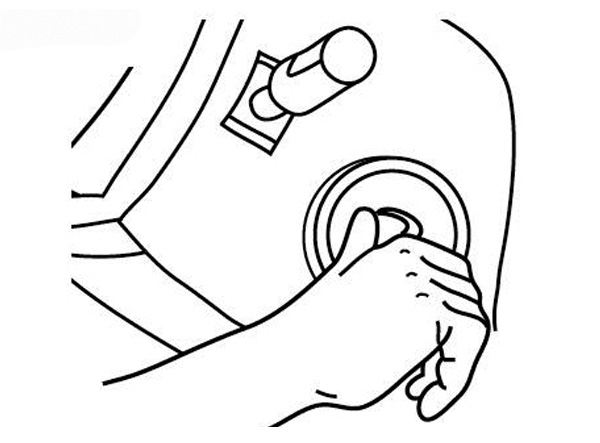
Start cranking the engine for 10 - 15 seconds without starting the engine. If possible, disable the fuelling/ignition during the process. This helps to prime the oil feed to the turbocharger by filling the oil pressure lines, oil filter and turbo with oil before engine start-up.

Then start the engine, and let it idle for 3 to 4 minutes to allow for proper inspection of oil, gas and air leakage. If any leakage is observed during engine start up, attend to the issue immediately.
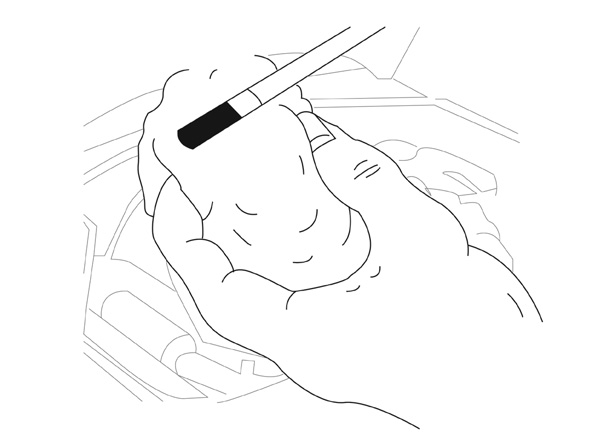
Stop the engine and re-check engine oil level. Oil level should be between the minimum and maximum mark on the dipstick - it is crucial that oil level is not above the point where turbo oil drain pipe connects to the engine or this may lead to oil leakage from the turbo into the inlet and exhaust systems.



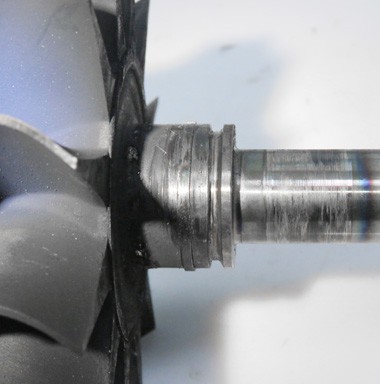
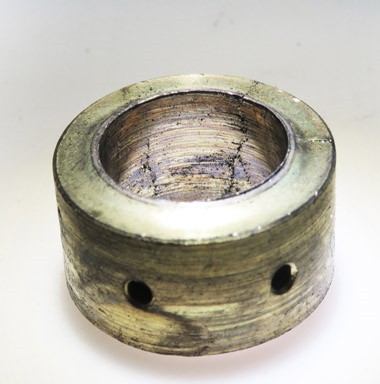

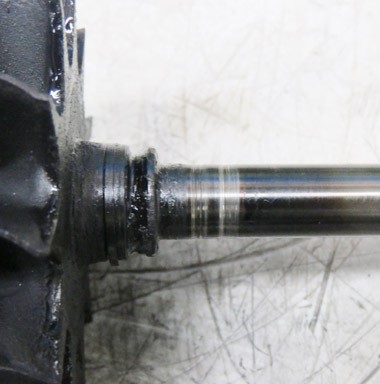
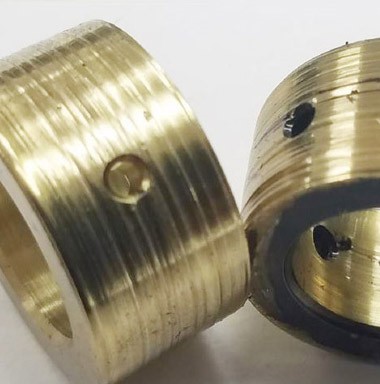
 In sight of a turbocharger